







Source: Album Artwork
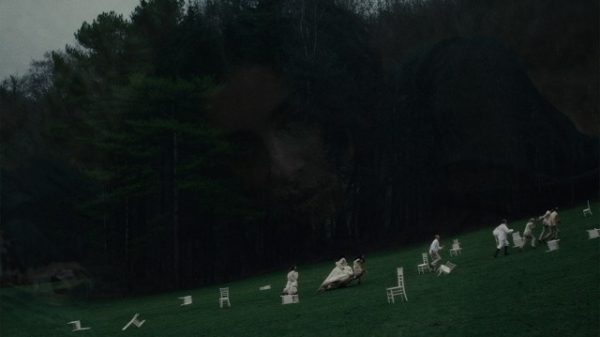
Yellowcard’s near 20-year career is drawing to a close. Formed in 1997, the band has experienced a vastly influential run. The members were pioneers of a pop-punk revival, unleashing tracks like ‘Ocean Avenue’ just before the genre reached the dizzy heights it claimed in the mid-2000s. Now, 13 years later, Yellowcard’s self-titled album marks their tenth and their last.
As we may expect from a farewell album, Yellowcard is doused with overwhelming themes of loss. These come in the form of bittersweet goodbyes, some of which we can uncover in the charged, anthemic track ’A Place We Set Afire’: “We don’t have to say goodbye, but we can get lost in time”. The track is a pop-punk masterpiece, combining messages of moving on—“There’s a big bright world to see”—with evocative instrumentation.
Yellowcard’s use of violin brings depth and flair to an already powerful track—flaunting versatility that is often unobtainable to bands of their genre. From this alone, it’s clear why Yellowcard are coined as one of the greats.
‘Rest In Peace’ is another source of violin jams, boasting more strong lyrics—“If this was the last time we would ever speak, could we forgive somehow / Could we rest in peace”—and an impressive guitar solo by Ryan Mendez.
Slower, balladic ‘Leave A Light On’ continues Yellowcard’s reoccurring theme. But more distinctly, the track is fantastic pop-punk songwriting. Album closer ‘Fields & Fences’ is on the same level; a flawless, bittersweet masterpiece. Soft instrumentals melt throughout the track, bringing to an end what has been a stunning career for Yellowcard.
Yellowcard sums up everything the band has worked towards since it’s inception. It’s an album that couldn’t be more indicative of who they are, and it shimmers in their discography. Even at the very end, Yellowcard is growing, adapting, and becoming braver in what they produce. It’s been a great ride, Yellowcard, we’ll miss you.